
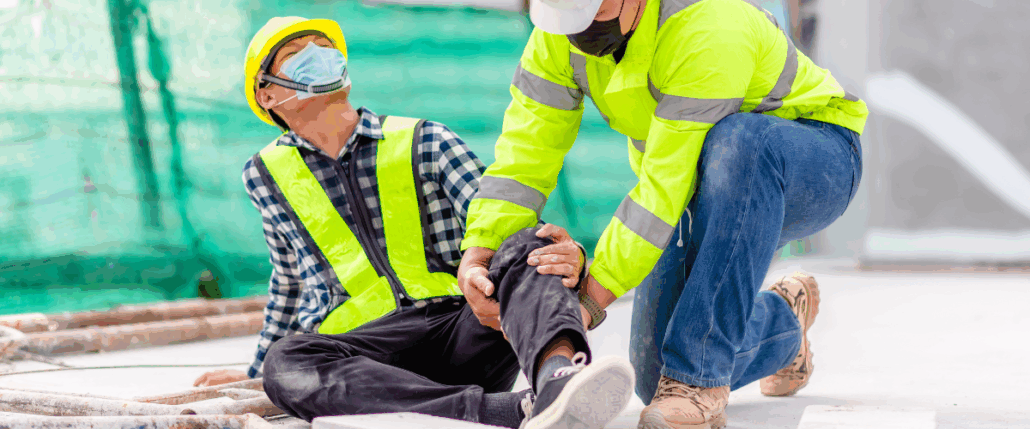
Construction Site Falls: Who Can Be Held Accountable Beyond Your Employer
The sounds of a busy construction site are the sounds of progress—the roar of machinery, the clang of steel, the shouts of a crew working in unison. But in an instant, one sound can cut through all the others: the sound of a fall. For a construction worker, a fall from a height is not just an accident; it is a catastrophic event that can change a life forever. The ground comes up too fast, and the aftermath is a blur of medical teams, hospital rooms, and overwhelming uncertainty.
If you have been injured in a fall on a construction site in Alabama, your first and most immediate path to benefits is likely through your employer’s workers’ compensation insurance.
The Role and Limits of Alabama Workers’ Compensation
When you are injured on the job, the Alabama Workers’ Compensation Act provides a direct, no-fault system for benefits. You do not have to prove your employer was negligent to receive them. You only need to show that your injury occurred while you were performing your job duties. These benefits are a lifeline, designed to cover:
- Medical Treatment: Payment for all authorized and necessary medical care related to the fall.
- Disability Payments: A portion of your lost wages while you are unable to work.
- Permanent Impairment Benefits: Compensation if the fall leaves you with a permanent disability.
This system was designed as a trade-off. In exchange for these no-fault benefits, employees generally cannot sue their employers directly for a workplace injury. This is known as the “exclusive remedy” rule. While this rule provides a safety net, it has significant limitations, especially after a serious fall. Workers’ comp does not provide any compensation for pain and suffering, emotional distress, or the loss of enjoyment of life. For a worker facing a lifetime of disability, these are often the most devastating losses of all.
What is a Third-Party Liability Claim?
This is where a deeper investigation becomes so important. The exclusive remedy rule protects your employer, but it does not protect other companies or individuals who are not your employer. A third-party liability claim is a personal injury lawsuit filed against a separate, negligent person or company whose actions contributed to your fall.
Modern construction sites are complex ecosystems with many different companies working side-by-side. The general contractor, various subcontractors, equipment suppliers, and property owners all share a responsibility for site safety. If the negligence of one of these outside parties caused your injury, they can be held accountable in a separate lawsuit. Pursuing a third-party claim is the only way to seek compensation for the full scope of your damages that workers’ compensation does not cover.
Who Are the Potential Third Parties on an Alabama Construction Site?
Identifying all potentially liable parties after a construction fall requires a meticulous investigation into the project’s contracts, safety protocols, and daily operations. The chain of responsibility is often long and complex. Some of the most common third parties who may be held accountable include:
- General Contractors: The general contractor (GC) has overall responsibility for safety on the entire job site. If they failed to implement or enforce safety rules, failed to coordinate the work of subcontractors safely, or ignored known hazards, they can be held liable for a resulting fall.
- Subcontractors: Often, the negligence of another subcontractor creates a hazard. For example, if an electrical subcontractor leaves an unmarked hole in the floor that a plumbing contractor’s employee falls through, the electrical company can be held responsible.
- Property Owners and Developers: The owner of the land where the construction is taking place has a duty to ensure the property is reasonably safe and to warn of any hidden dangers they are aware of. If they were aware of a pre-existing structural hazard that led to a collapse or fall, they may bear responsibility.
- Architects and Engineers: If a fall was caused by a fundamental design flaw in the structure, such as a poorly designed walkway or a failure to include required safety features in the blueprints, the design professionals can be held liable for professional negligence.
- Equipment Manufacturers: Many falls involve equipment failure. If a scaffold collapses, a ladder breaks, or a safety harness fails because it was defectively designed or manufactured, the company that made the product can be sued under a product liability theory.
- Equipment Rental Companies: Companies that rent out machinery like aerial lifts, scaffolding, or cranes have a duty to ensure that equipment is properly maintained and in safe working order. If they rent out defective or poorly maintained equipment that leads to a fall, they can be held liable.
- Material Suppliers: If a supplier provides substandard materials—for instance, a plank for a scaffold that is not graded for the proper weight and breaks under load—they could be found negligent.
Common Causes of Construction Site Falls
Falls are the leading cause of death in the construction industry, and they almost always stem from a violation of established safety standards. A thorough investigation of the accident scene often reveals one or more of these common, preventable hazards:
- Unsafe Scaffolding: Improperly erected scaffolding, missing guardrails, unsecured planking, or overloading are frequent causes of catastrophic collapses and falls.
- Defective Ladders: Using the wrong type of ladder for a task, placing a ladder on unstable ground, or using a ladder that is old or damaged can lead to sudden falls.
- Unprotected Openings: Unguarded elevator shafts, skylights, and holes in floors or roofs create significant fall hazards that must be covered or protected by guardrails.
- Lack of Fall Protection: Federal OSHA regulations require fall protection, such as safety harnesses and lanyards, for anyone working at heights of six feet or more. The failure to provide or enforce the use of this equipment is a major source of liability.
- Poorly Constructed Walkways and Ramps: Unsecured ramps, walkways with no handrails, or surfaces that become slippery when wet can easily lead to a fall.
- Cluttered Work Areas: Debris, tools, and materials left in walkways can create tripping hazards that result in a fall from the same level or over an edge.
- Wall and Roof Collapses: Structural failures due to design flaws, improper construction techniques, or premature removal of supports can cause entire sections of a building to give way.
What Types of Injuries Result from Falls on Construction Sites?
A fall from even a short height can cause devastating injuries. The forces involved can lead to a lifetime of medical challenges and disability. Common injuries include:
- Traumatic Brain Injuries (TBIs): A blow to the head can cause concussions, brain contusions, or penetrating injuries, leading to permanent cognitive, physical, and emotional impairments.
- Spinal Cord Injuries: Damage to the spinal cord often results in partial or complete paralysis (paraplegia or quadriplegia), requiring a lifetime of medical care, assistive devices, and home modifications.
- Broken Bones and Orthopedic Injuries: Multiple fractures to the arms, legs, hips, and pelvis are common. These often require surgeries, including the implantation of plates, rods, and screws, and can lead to chronic pain and arthritis.
- Internal Organ Damage: The impact of a fall can cause internal bleeding and damage to vital organs like the spleen, liver, and kidneys, which can be life-threatening.
- Death: Tragically, falls remain the most common cause of fatal injuries in the construction industry.
How is Negligence Proven in a Construction Fall Case?
Building a successful third-party claim requires more than just showing you were hurt. Your legal team must prove that another party was negligent—meaning they had a duty to act safely, they breached that duty, and that breach was a direct cause of your fall and injuries. This involves an immediate and intensive evidence-gathering process, which may include:
- Preserving the Scene: Documenting the accident site with photos and videos before it is altered or cleaned up.
- Interviewing Witnesses: Speaking with coworkers and other witnesses who saw what happened or who were aware of the dangerous condition.
- Reviewing OSHA Reports: The Occupational Safety and Health Administration (OSHA) often investigates serious construction accidents. Their findings and citations can be powerful evidence of negligence.
- Analyzing Project Documents: Examining contracts, blueprints, and safety manuals can help establish which party was responsible for a specific aspect of site safety.
- Hiring Engineering and Safety Experts: Construction safety experts can analyze the evidence and provide testimony about how industry standards were violated and how the accident could have been prevented.
What Compensation Can Be Recovered in a Third-Party Lawsuit?
Unlike the limited benefits from workers’ compensation, a third-party lawsuit allows you to seek recovery for the full financial, physical, and emotional impact of the fall. A successful claim can provide compensation for:
- All Past and Future Medical Expenses: Covering everything from the initial emergency care to future surgeries, rehabilitation, and in-home nursing care.
- Full Lost Wages and Loss of Earning Capacity: This compensates you for the wages workers’ comp does not cover and for the income you will lose over your lifetime if you cannot return to your former work.
- Pain and Suffering: Compensation for the physical pain and discomfort you have endured and will continue to endure.
- Mental Anguish: Damages for the psychological impact of the injury, including depression, anxiety, and PTSD.
- Loss of Enjoyment of Life: Acknowledging your inability to participate in the hobbies, activities, and family life you once enjoyed.
- Permanent Scarring and Disfigurement: Compensation for the lasting physical reminders of your injury.
What is the Statute of Limitations for a Construction Injury Claim in Alabama?
A statute of limitations is a firm legal deadline for filing a lawsuit. If you miss it, you lose your right to seek justice forever. In Alabama, the statute of limitations for a personal injury lawsuit, including a third-party construction accident claim, is two years from the date of the accident. While that may seem like a long time, building a strong and complex construction case requires immediate action. Evidence can disappear, witnesses can move away, and memories can fade. It is always best to speak with a lawyer long before the deadline approaches.
A Fall on a Construction Site Demands a Thorough Investigation. We Can Help.
When a construction worker falls, the consequences ripple through an entire family. You are left dealing with severe pain, mounting medical bills, and the fear of an uncertain future. The legal team at Thiry & Caddell, LLP is committed to fighting for injured workers and their families across Alabama. We have the determination and resources to conduct the in-depth investigation your case deserves, working to uncover every party whose negligence contributed to your harm. We handle the legal complexities so you can focus on what matters most: your recovery.
If you were seriously injured or lost a loved one in a construction site fall, contact us today at (251) 336-3627 for a consultation. Let us help you explore every available option for securing the full measure of justice and financial stability you and your family deserve.



Leave a Reply
Want to join the discussion?Feel free to contribute!